
Hip pain and stiffness can make daily activities such as walking, sitting, standing, or climbing stairs extremely difficult. Conditions like osteoarthritis, rheumatoid arthritis, hip joint degeneration, fractures, avascular necrosis, and sports injuries can gradually damage the hip joint and reduce mobility. When conservative treatments fail to provide relief, hip replacement surgery may become necessary. Dr. Kshitij Gupta is recognized as one of the Best Minimally Invasive (MIS) Hip Replacement Surgeons in Gwalior for providing advanced orthopaedic care with modern surgical techniques. Minimally invasive hip replacement surgery is designed to reduce pain, improve mobility, and help patients recover faster with smaller incisions and less tissue damage.
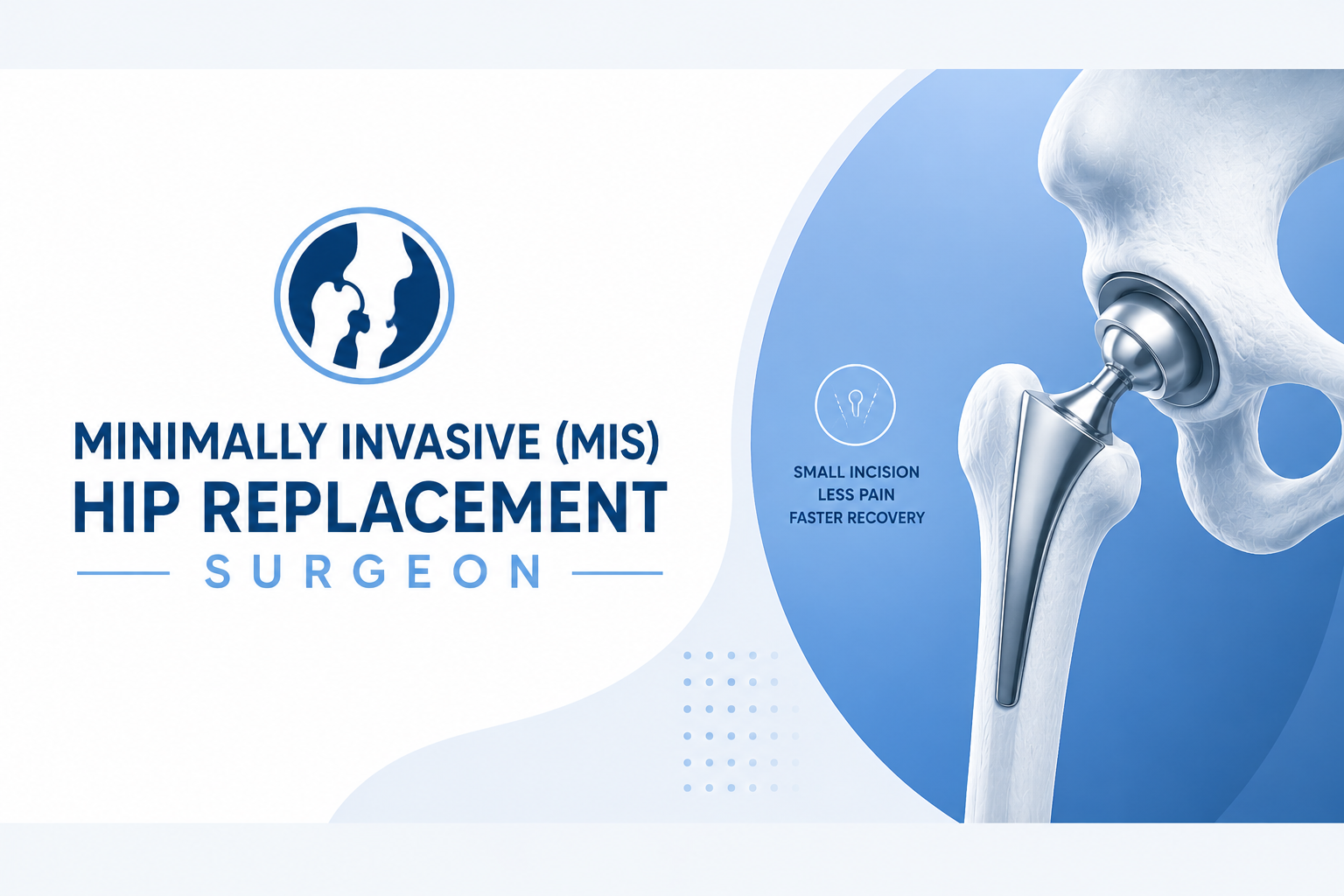
Minimally Invasive Hip Replacement (MIS) is a type of surgery that replaces a damaged hip joint using smaller cuts than traditional hip replacement surgery. A damaged hip joint has parts removed and replaced with components that provide smooth motion of the hip and improve the function of the joint. The use of the MIS technique results in less muscle trauma, less blood loss, and less pain after surgery with quicker rehabilitation and return to normal activity.
We have the Best Minimally Invasive (MIS) Hip Replacement Surgeon in Gwalior. MIS is most commonly utilized in patients who have advanced arthritis of the hip, chronic pain in the hip, limited mobility or range of motion of their hip, stiff or frozen joint, or an acute fracture of the hip. A combination of X-rays, MRI scans, and other physical examinations can be used to determine the severity of the condition, and to determine if other treatment options exist, or if the MIS procedure is appropriate. Individualized treatment planning and rehabilitation will be critical elements of an effective long-term postoperative outcome following MIS surgery.
Individuals suffering from hip-related issues have two treatment options available to them: non-surgical (conservative) or surgical. In most cases, doctors will recommend conservative treatments that include medications, physiotherapy, weight control, lifestyle modifications, and pain relieving injections as ways to improve mobility and manage symptoms until condition severity requires the use of surgical intervention.
If an individual experiences severe damage to his/her hip that affects their ability to perform daily activities; he/she may be a candidate for a minimally invasive hip replacement procedure. Depending on the extent of damage to the hip, a physician may recommend total hip replacement surgery, in which all of the damaged parts of the hip are removed and replaced with prosthetic joints or partial hip replacement surgery if there are specific injuries or fractures located within the hip joint.
Minimally Invasive Surgery (MIS) has become increasingly popular among physicians due to decreased incision size and improved surgical instrumentation that allow for increased surgical accuracy; thereby resulting in reduced recovery time after surgery.
Rehabilitation and physiotherapy are key components of treatment following both conservative and surgical intervention. Post-surgical exercise will help the patient to develop increased strength, range of motion, balance, and ambulation. Early mobility and guided rehabilitation will assist the patient in returning to daily functioning more safely and with less discomfort. Therfore get in touch with us because we have Best Minimally Invasive (MIS) Hip Replacement Surgeon in Gwalior.
There are many unique benefits to the use of minimally invasive techniques for performing hip replacements. Most significantly, patients are benefitting from smaller surgical incisions, with significantly less damage to surrounding tissue and muscle than with traditional open procedures. As a result, patients experience less pain, blood loss, and the ability to heal faster than those undergoing traditional hip replacement surgery.
In addition, patients who have had minimally invasive hip replacements typically have shorter postoperative hospital stays than those having traditional hip replacements. Patients recovering from MIS hip replacements often begin ambulating sooner than individuals recovering from traditional hip replacements. Ultimately, with improved range of motion and mobility in their hips, the patients are able to perform their daily activities more comfortably and achieve independence.
Additionally, MIS hip replacements will provide relief from the chronic pain associated with osteoarthritis or degenerative hip joint diseases. Chronic hip joint pain from osteoarthritis or hip joint degeneration commonly interferes with quality of life, sleep, and physical activity. By restoring the smooth motion of the hip joint, minimally invasive hip replacement surgery provides significant reductions in overall hip pain and stiffness. Furthermore, patients can maintain their active lifestyles for many years because of the durability and long-term performance characteristics of today's modern implant designs.
Finally, the use of minimally invasive surgical techniques may lead to a reduction in the risk of infection or other complications that can occur with larger surgical incisions. Additional benefits of the use of MIS for hip replacement surgery include significantly faster recovery times and better cosmetic results due to smaller surgical scars, than with traditional open surgical procedures. Visit to Dr. Kshitij Gupta now because we have Best Minimally Invasive (MIS) Hip Replacement Surgeon in Gwalior.
There are many serious risks involved with any surgical procedure, including minimally invasive hip replacements. Some of the possible complications include infection, swelling, bleeding, stiffness, blood clots, or reactive pain during recovery. Rarely, other complications may include implant failure, hip dislocation, nerve injury, or leg length discrepancies. However, the risk of these complications is significantly decreased due to advances in technology both for surgery and for the materials that comprise the implants.
The key to a successful outcome from surgery is proper evaluation of the patient, adequate surgical planning, and an appropriate post-operative recovery period. A battery of diagnostic tests along with physical evaluations of the patient should be performed prior to undergoing surgery to determine if the patient is suitable for surgery and whether there are any secondary medical problems to be addressed before the surgery. Adhering strictly to the various physiotherapy programs prescribed by the physiotherapists after surgery, following medication recommendations, and following rehabilitation protocols will greatly increase the chances of reducing complications and improving mobility after surgery.
Patients should develop and maintain a healthy lifestyle, avoid placing excessive stress on the new joint, and attend all follow-up appointments throughout the recovery period to monitor the healing process and ensure the longevity of the implant is optimum.
Typically, patients recover quicker from minimally invasive than from more traditional forms of hip replacement surgery. Most patients can walk using some form of assistance shortly afterward & gain more mobility through physiotherapy and exercise/rehabilitation over time postop. The amount of time it takes each patient will vary based on age, general health & physical condition; however, many patients are able to be back to their normal daily routines within several weeks.
We have one of the Best Minimally Invasive (MIS) Hip Replacement Surgeon in Gwalior. In order to recover postoperatively, strengthening exercises, correcting posture & following a guided rehabilitation program are essential for regaining muscle strength and balance after your surgery. All patients are strongly advised to follow their physician's instructions very carefully to mitigate the risk of doing things which may impose any stress on the new hip joint during recovery; thus improving long-term mobility of the patient and maximizing ultimate success of treatment.
Minimally invasive hip replacement surgery has transformed the treatment of severe hip joint conditions by providing safer procedures, faster recovery, and better long-term outcomes. Advanced surgical techniques help reduce pain, restore mobility, and improve overall quality of life for patients suffering from chronic hip problems. Dr. Kshitij Gupta is known for providing advanced orthopaedic care with modern minimally invasive techniques and patient-centered treatment.
Comprehensive diagnosis, personalized treatment planning, and advanced rehabilitation programs help patients achieve successful recovery and long-term joint function. Seeking timely medical attention for chronic hip pain and mobility problems can prevent worsening joint damage and improve overall physical independence. With proper treatment and rehabilitation, patients can return to a healthier, more active, and pain-free lifestyle. Book your appointment now with Dr. Kshitij Gupta because we have Best Minimally Invasive (MIS) Hip Replacement Surgeon in Gwalior.
MIS hip replacement offers several benefits, including less pain, smaller scars, reduced blood loss, shorter hospital stay, faster recovery, and quicker return to daily activities.
Patients with severe hip arthritis, hip joint damage, or chronic hip pain who are otherwise medically fit may be suitable candidates. However, the surgeon evaluates factors like age, weight, bone condition, and overall health before recommending the procedure.
Most patients begin walking within 24 hours after surgery and recover faster compared to traditional hip replacement surgery. Complete recovery generally takes a few weeks to a few months depending on physiotherapy and overall health.


