
Joint pain and stiffness can greatly affect daily life, making simple activities such as walking, climbing stairs, or even standing uncomfortable and difficult. Conditions like osteoarthritis, rheumatoid arthritis, joint degeneration, injuries, and age-related wear and tear are common reasons why people may require specialized joint care. Dr. Kshitij Gupta is recognized as one of the Best Joint Replacement Surgeons in Gwalior for providing advanced treatment and personalized orthopaedic care. Modern joint replacement procedures help patients regain mobility, reduce chronic pain, and improve overall quality of life. With advancements in medical technology and minimally invasive techniques, joint replacement surgeries have become safer, more effective, and associated with faster recovery.
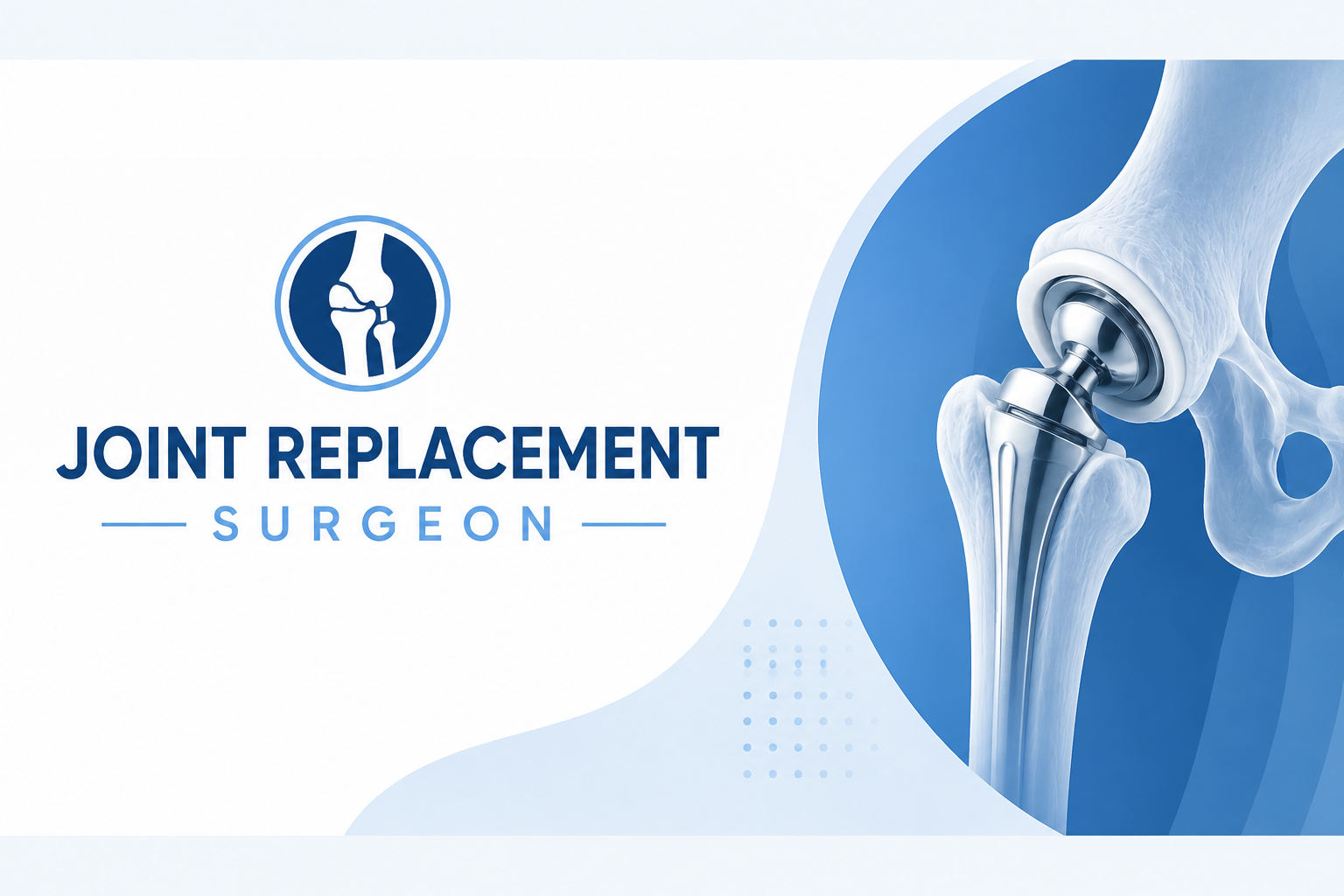
Dr. Kshitij Gupta is known as the Best Joint Replacement Surgeon in Gwalior.When a person suffers from joint damage or arthritis, they will need treatment depending on how badly they are damaged. Early treatment will usually include conservative therapies which can include medications, physiotherapy, lifestyle changes, weight loss programs, and injections for pain; all of which may reduce symptoms and restore the patient's ability to use their joint. These types of therapies are usually tried before any surgical intervention is made.
When there is enough damage to a joint that it affects mobility and daily activities, the decision to replace the joint may be made. The most common type of joint replacement done orthopaedic-wise is a knee replacement because patients with moderate to severe knee arthritis or chronic knee pain are typically the ones needing knee replacement surgery. Hip replacements are also commonly performed once the hip has sustained enough damage from degenerative conditions resulting in loss of motion or a restriction in range due to the formation of scar tissue. In addition to knee and hip replacements, shoulder and elbow replacements can also be performed when those joints are too damaged to remain functional.
Most joint replacement surgeries have become less traumatic to the surrounding tissues due to the development of new technologies, which use more advanced implants, and the use of minimally invasive surgery for joint replacements; this will generally mean a shorter recovery time after the joint is replaced. Partial joint replacements can also be performed for those patients who only have damage in one section of the joint, whereas total joint replacements are performed when the entire joint is going to be replaced with artificial implants.
Rehabilitation and physiotherapy are both critical components following surgery to allow patients to regain strength, range of motion and mobility after they have completed their surgical recovery.
Joint replacement therapy provides several advantages for people with chronic pain from the joints and limited mobility due to the joints. The most significant advantage of joint replacement therapy is long-lasting pain relief. Most individuals who have been diagnosed with painful arthritis or degeneration of their joints, after undergoing joint replacement therapy, experience an improvement in their quality of life and an increase in their pain-free comfort level. In addition to pain relief, patients have increased movement and flexibility, allowing them to return to their daily activities with more independence and confidence.
In addition, patients often regain the ability to walk easily and without any discomfort, perform all daily activities, and perform light-to-moderate aerobic exercise and/or recreational pursuits after successful joint replacement therapy. Also, because of the use of advanced minimally invasive procedures for the joint replacement surgery, patients can experience a shorter amount of time at a hospital due to less blood loss from the surgery, smaller scars, and faster recovery than from traditional surgical techniques.
Another very important advantage of joint replacement therapy is improvement in mental and emotional well-being. Chronic pain and limited mobility from the joints contribute to reduced self-confidence, poor quality of sleep, and reduced quality of life. With the success of joint replacement therapy, the patients can feel more active, fresh, and socially independent. Furthermore, with the developments in modern implants that promote longevity and durability, the patient will be able to continue to be pain-free for many years after they undergo joint replacement surgery. The sooner the patient receives treatment and the better their rehabilitative process is managed, the less damaged their joints will become, and the better the long-term outcome will be for them. Visit to our clinic now and consult with our Dr. Kshitij Gupta who is known as one of the Best Joint Replacement Surgeon in Gwalior.
All surgery comes with certain dangers and issues; joint replacements are no different. Rates of both than the rates of surgery-invoked dangers are much higher amongst other surgical procedures. Common issues include: infections or swelling of joints; stiffness or discomfort when moving after recovery, and blood -clots, bleeding, and temporary pain during recovery. In very rare cases, implant-loosening happens, dislocated joints can occur, nerve damage occurs, or implant wear will occur.
The risk of having - a serious complication is: The majority of complications are somewhat serious but are caused due to the use of a very small number of the total population that has had knee or hip replacements. Modern surgery techniques and advances achieved through the medical community have enabled the occurrence of much fewer serious complications compared to in years past.
An important part of both surgical risk factors' evaluation (prior to surgery) and recovery (after surgery) is your physician's assistance related to the evaluation process and both the evaluation of the risks being associated with the surgery you are undergoing and the recovery required after the surgery. Diagnostic studies will provide the determination of both your general overall health and whether or not to be a candidate for the surgery.
There are multiple rehabilitation programs, an excellent physiotherapy program, and good instructions from the physician will allow for good mobility to return and the possibility of avoiding possible complications.
If the patient uses the non-surgical approach (which could be medications or injections), they would also possibly have some degree of adverse side effect. To improve the overall joint replacement success and the long-term health of the joints, being an appropriate/ideal weight, being active physically, and making regular follow-up appointments with physicians gives a better opportunity for joint replacement success long-term. Contact us now because we have the Top Joint Replacement Surgeon in Gwalior.
Joint replacement treatment has transformed the lives of many people suffering from severe arthritis, chronic joint pain, and mobility problems. Modern orthopaedic techniques provide safe and effective solutions that help restore movement, relieve pain, and improve overall quality of life. Dr. Kshitij Gupta is known for providing advanced joint replacement care with a focus on patient comfort, accurate diagnosis, and long-term recovery.
Comprehensive treatment plans, minimally invasive procedures, and personalized rehabilitation programs help patients achieve better mobility and faster healing. Whether dealing with knee pain, hip arthritis, or other joint-related conditions, seeking timely treatment can prevent complications and improve physical independence. With proper medical care and rehabilitation, patients can return to an active, healthy, and pain-free lifestyle after joint replacement treatment. Book your appointment now with Dr. Kshitij Gupta who is known as one of the Best Joint Replacement Surgeon in Gwalior.
Modern joint implants are highly durable and can last 15–25 years or even longer with proper care, regular exercise, and follow-up consultations.
Most patients start walking within a few days after surgery. Complete recovery may take a few weeks to a few months depending on the type of surgery, physiotherapy, and overall health condition.


